
What Is a Hip Replacement?
Total Hip Replacement is considered the most important surgical procedure of the 20th century, and this can easily be confirmed through a simple online search. Total Hip Replacement refers to the replacement of the hip joint, or as it was formerly called, the “hip socket.” Replacing this joint becomes necessary when it no longer functions properly. Without proper hip joint function, walking becomes impossible, and severe pain and restriction of all activities occur. In advanced cases of hip dysfunction, it may even be difficult for a person to sleep without pain. The main causes that lead to hip joint dysfunction and the need for Total Hip Replacement are the following. The first and most common cause is osteoarthritis, widely known as arthritis. Osteoarthritis is a degenerative condition, and its incidence increases with age. A genetic predisposition has been identified, and increased body weight is considered a contributing risk factor. Osteoarthritis is so common that it is estimated that approximately 40% of people in the Western hemisphere will develop osteoarthritis in some joint during their lifetime. The second cause is rheumatoid arthritis and other rheumatic or autoimmune diseases that affect the joints. Although medications for rheumatic conditions may help manage pain, joint destruction may continue to progress. Total Hip Replacement can restore movement and activity, and its contribution to patients with rheumatoid arthritis or other autoimmune diseases is invaluable.
The third cause is post-traumatic arthritis. This results from injuries to the hip joint that may have occurred many years earlier. The hip joint is extremely sensitive, and its blood supply is particularly vulnerable. Injuries sustained during childhood or during growth may lead to very serious hip problems much later in life. The fourth and final cause is avascular necrosis of the femoral head, which is usually related to prolonged use of medications such as corticosteroids or immunosuppressive drugs. Another cause of avascular necrosis of the hip is alcohol or substance abuse. The hip joint is so essential that when it does not function properly and develops arthritis, not only is walking impossible, but in very severe cases, a person may be unable to sit in a chair or even lie in bed without pain.
What Should I Know About the Procedure?
Total Hip Replacement is necessary and truly life-changing for patients who suffer from a limited or complete loss of movement of the hip joint. Delaying the operation and advising that it be performed later is harmful and does not benefit the patient in any way, as remaining dysfunctional, disabled, and in severe pain negatively affects overall health.
Significant delay in replacing the hip joint leads to weight gain, reduced functionality, and muscle strength of the muscles that move the joint, and, of course, progressive deterioration of the patient’s mental health. One of the fears that has persisted from the past is that the material of the new joint in hip arthroplasty lasts only a few years. This is completely outdated, as advancements in implant materials, surgical techniques, and medical treatment for bone health have significantly extended the lifespan and proper function of the new hip joint.
Hip arthroplasty has more than 50 years of research and development behind it, and its achievements are truly impressive. The first hip replacement operation in Greece was performed in 1968 by Emmanouil Dretakis and Alexandros Zausis. At that time, the expected duration of proper function of the new joint was not clearly known. Today, Total Hip Replacement is performed using the most modern techniques available.
Orthopedic Surgeon Dr. Dretakis
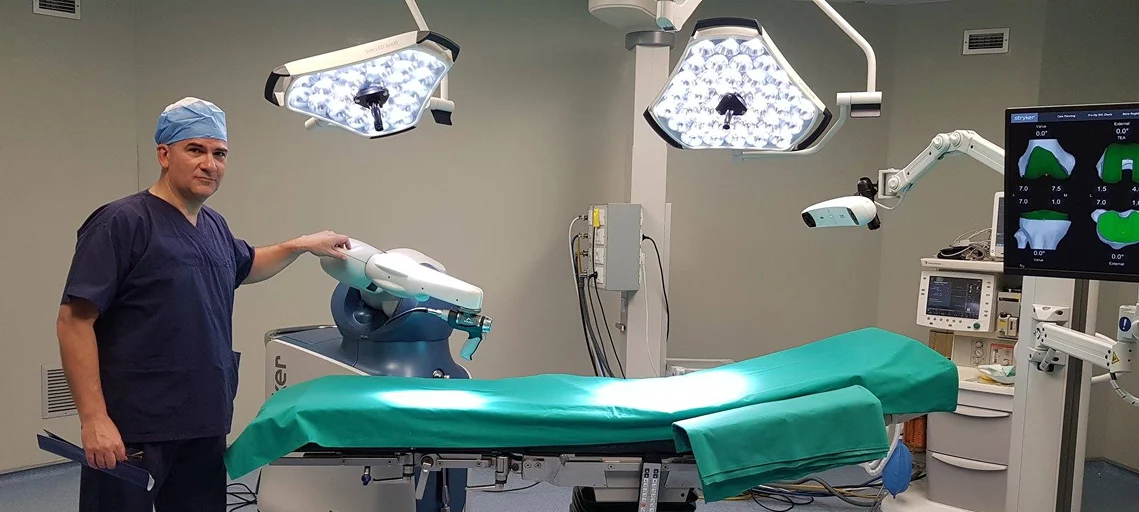
Orthopedic Surgeon Dr. Dretakis has extensive experience and uses modern techniques. He maintains a practice in Athens, Maroussi and Glyfada.
Athens | Marousi | Glyfada
Hip Replacement – Fast Track Protocols
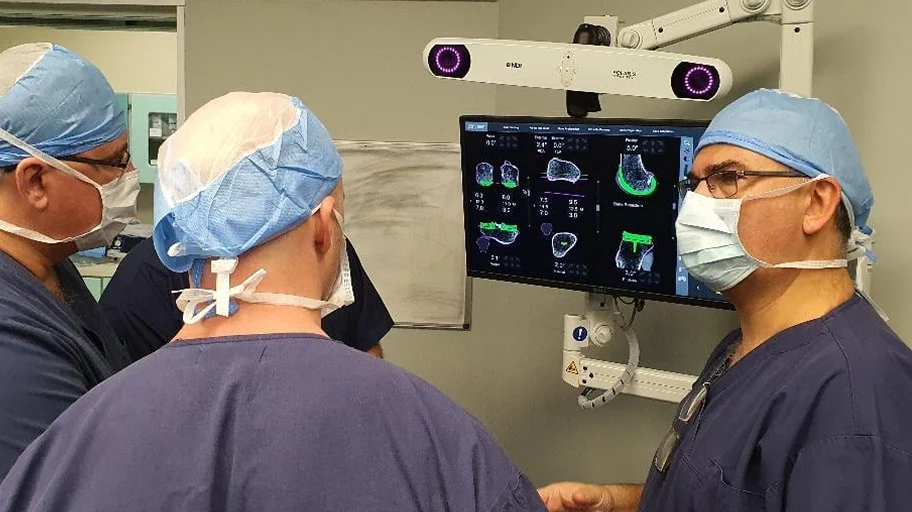
Dr. Kon. Dretakis, Director of the 2nd Orthopaedic Clinic at HYGEIA Hospital, performs Total Hip Replacement using the same techniques applied in the most advanced centers in the United States. More specifically, blood transfusion is no longer required, as it was in the past, and there is almost no blood loss during the procedure. The most modern surgical approach to the hip is utilized, allowing immediate weight-bearing and initiation of physical therapy within just a few hours after hip replacement. We use only implants from the three leading manufacturing companies in the United States, which have demonstrated proven long-term durability.
Dr. Kon. Dretakis, Director of the 2nd Orthopaedic Clinic at HYGEIA Hospital, performs Total Hip Replacement using the same techniques applied in the most advanced centers in the United States. More specifically, blood transfusion is no longer required, as it was in the past, and there is almost no blood loss during the procedure. The most modern surgical approach to the hip is utilized, allowing immediate weight-bearing and initiation of physical therapy within just a few hours after hip replacement. We use only implants from the three leading manufacturing companies in the United States, which have demonstrated proven long-term durability.
We strongly encourage anyone who hesitates to proceed with resolving their hip problem to speak with our patients who have already undergone treatment and now live normal lives — in many cases, maintaining significant athletic activity.
What Is the Cost and Price of the Procedure?
The cost and price of the procedure depend on each case. For more details, please contact us, and you will receive comprehensive information regarding the pricing of the surgery.
Reclaim your freedom today!
We never rely on luck, but on our knowledge and experience.
make an appointmentINFORMATIONAL VIDEOS & PATIENT CASES
Visit our YouTube channel to see scientific videos and patient case studies